


- Research platform
Sources of information
Data analysis
Actions

- Solutions
For whom
Problems / Issues

- Materials
Materials
- About us
About us
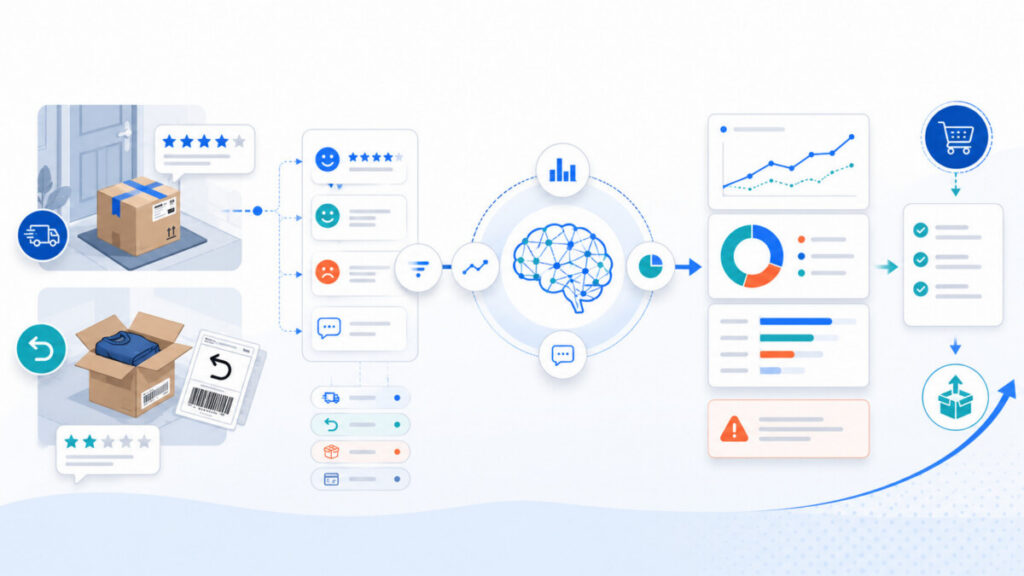
Feedback on delivery and returns is one of the most sensitive barometers of customer experience in e-commerce. They show not only whether the package arrived on time, but also whether the customer felt control, security and trust.
Delivery and returns today are not backstories, but moments of truth. According to DHL, 72% of consumers cite free delivery as a factor in improving their online shopping experience, and 53% say the same about free returns. What's more, delivery and returns are key drivers of customer loyalty, often more important than price or product.
Logistics is a key point of contact in the shopping process, often downplayed by companies. A customer evaluates customer experience in e-commerce by the last experience: delivery experience or return experience. A clothing store loses trust when returns can't be done easily. Electronics loses when goods arrive in a crushed package.
This article is about the practical use of delivery feedback, return feedback and text comments, not just logistics reports. This is a topic where logistics and customer experience actually meet.
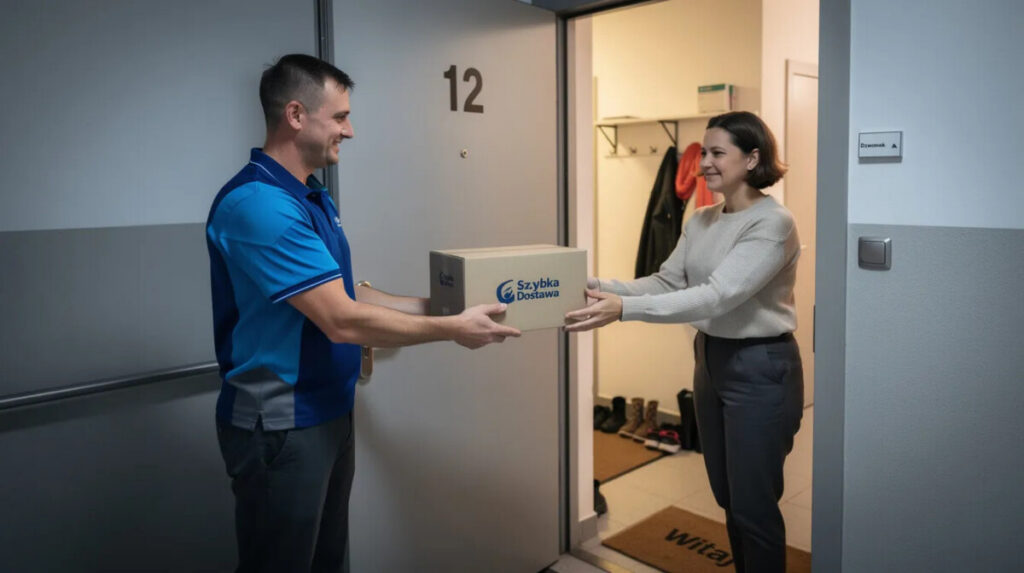
In many companies, delivery "belongs" to logistics and returns to operations or finance. Companies often view returns as costs instead of information about product mismatches.
Typical problems:
In practice, a negative seller comment on a marketplace is sometimes treated as an incident, not a systemic signal. A CX platform such as YourCX helps gather feedback in one place, and when the topic applies tag it with: delay, courier, cost, status, refund.
Delivery is the last tangible contact with a brand: product, packaging, courier and communication. Customers expect no hidden delivery costs and clear information about when the package will arrive.
77% of shoppers say they are more loyal to brands that proactively inform them about the status of their shipment. Automatic notifications about the status of a shipment build customer trust, even when the date changes.
Examples:
This shows the difference between "delivery was on time" and "customer felt lack of control." Delivery quality, delivery experience and customer satisfaction with delivery should be part of the CX report.
Returns in e-commerce are natural, especially in fashion. 66% of consumers check return policies before finalizing a purchase. Free returns increase conversions, but more and more stores are moving away from them due to rising costs. The high cost of handling returns in e-commerce is a serious challenge that affects companies' profitability.
A good return experience gives the customer a sense of security:
The CES of the return is critical here: the customer remembers how many times he had to write, print, ask for answers and wait.
The survey should have 3-7 questions, sent 1-2 days after delivery.
Such questions allow you to collect specific feedback that can be analyzed from an operational and CX perspective.
The post-return survey should focus on the ease and convenience of the process, sent preferably up to a week after the return is completed.
Sample questions:
These questions help identify barriers and pain points that affect loyalty and purchase decisions.
In the context of delivery and returns, it makes sense to measure:
Analyzing these metrics in conjunction with feedback provides a more complete picture of the customer experience and identifies areas for improvement.
Open comments are one of the most valuable sources of knowledge about the customer experience. They are the ones that most often provide information that you don't see in numerical ratings alone: frustration about delays, uncertainty about the status of a shipment, a problem with the courier or difficulty going through the return process.
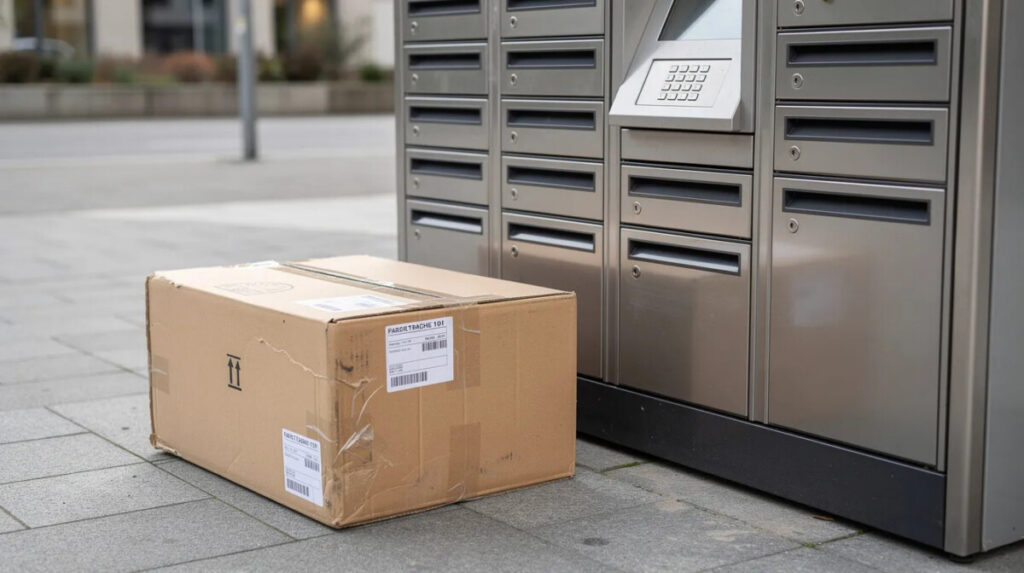
In order to make such reviews useful, it is worth categorizing them systematically. Each comment can be tagged with tags corresponding to the most common problems, such as delay, unclear status of shipment, damaged package, problem with courier, difficult return form, cost of return, long refund time, lack of return label, or problem with parcel machine or pickup point.
With this approach, individual reviews cease to be mere anecdotes and begin to form a clear picture of recurring barriers. If the number of comments about the unclear status of a shipment is increasing in a given period, the problem may lie not in the timeliness of delivery itself, but in communication with the customer. If the topic of long refunds comes up frequently, it is worth analyzing not only the financial department, but also the clarity of instructions and informing the customer about the next steps in the return.
Tagging comments makes it easier to detect patterns, compare problems between carriers, regions, product categories or delivery methods, and, above all, allows you to translate customer feedback into concrete operational actions faster.
Customer feedback gains the most value when we combine it with operational and sales data. The mere comment "delivery was too slow" says little until you look at which carrier, region, delivery method, product category or cart value it was about.
In practice, it's worth analyzing the feedback along with data such as delivery time, logistics operator, pickup method, number of support contacts, return status, refund time or repeat purchase rate. This allows you to see more quickly that the problem is not with the entire process, but, for example, with a specific carrier, region or product category.
This approach allows you to move from general feedback to specific decisions: improving communication, changing the carrier, simplifying returns or better informing customers about the status of an order.
Feedback about delivery and returns should lead to concrete changes in processes, not end with a report of comments. If customers regularly report a lack of information about the status of a shipment, better communication and automated notifications may be the solution. If returns are an issue, it may be worth simplifying instructions, reducing the number of steps or introducing tagless returns.
Customer reviews can also be an argument with carriers. Ratings, comments and recurring problems help indicate which carrier, region or delivery method needs improvement. Similarly, feedback can support customer service training, changing messages, modifying return policies or responding more quickly to complaints.
The greatest value, however, comes from a continuous cycle of feedback work: collecting feedback, analyzing recurring problems, implementing changes and re-measuring the effects. In this way, delivery and returns cease to be merely a logistical process, and become a viable part of customer experience management.
One of the most common mistakes is to reduce the analysis to average ratings. The mere fact that a delivery has a rating of 4.2/5 does not yet show what realistically works well and what needs improvement. Only customer comments clarify whether the problem is a delay, lack of status information, courier behavior, a damaged package or a difficult return process.
The second mistake is the lack of segmentation. It's a good idea to analyze reviews separately by carrier, delivery method, region, product category, cart value or customer type. Without such segmentation, it's easy to overlook that the problem is not with the entire store, but with a particular carrier, pickup point or selected group of orders.
Companies also often look only at logistics KPIs: on-time performance, cost of delivery, number of complaints or percentage of returns. This is important data, but it does not show the full customer experience. Delivery may be formally made on time, and yet the customer may feel a lack of control, uncertainty or frustration due to poor communication.
Lack of process ownership is also an important issue. If feedback goes to several teams, but no one is responsible for post-analysis activities, feedback remains just a report. That's why it's a good idea to clearly define who responds to recurring problems: e-commerce, logistics, customer service, CX or the carrier cooperation supervisor.
By avoiding these mistakes, you can make better use of customer feedback and translate it more quickly into tangible improvements in delivery, returns and the overall shopping experience.
Feedback demonstrates real customer emotions and experiences that influence loyalty and purchase decisions.
Ideally 1-2 days after delivery and up to a week after a return to keep feedback fresh and accurate.
CES (Customer Effort Score) measures the customer's effort in the return process; the less effort, the higher the satisfaction and loyalty.
It allows you to collect, tag and analyze comments, monitor metrics and quickly detect problems. If you want to learn more, please email or schedule a consultation.
Don't ignore comments, don't focus only on average ratings and don't overlook data segmentation.
Delivery and returns are key moments of truth in e-commerce that affect trust, loyalty and sales. Customer feedback in these areas is an undervalued but extremely valuable source of CX insights. By systematically analyzing feedback, combining it with operational data and implementing changes, companies can significantly improve customer experience, reduce negative feedback and increase customer retention. CX platforms, such as YourCX, offer tools that support this process, enabling you to effectively manage feedback on delivery and returns and build a competitive advantage in the e-commerce market. Best regards and I encourage you to make better use of this underrated CX resource!
Copyright © 2023. YourCX. All rights reserved — Design by Proformat
